

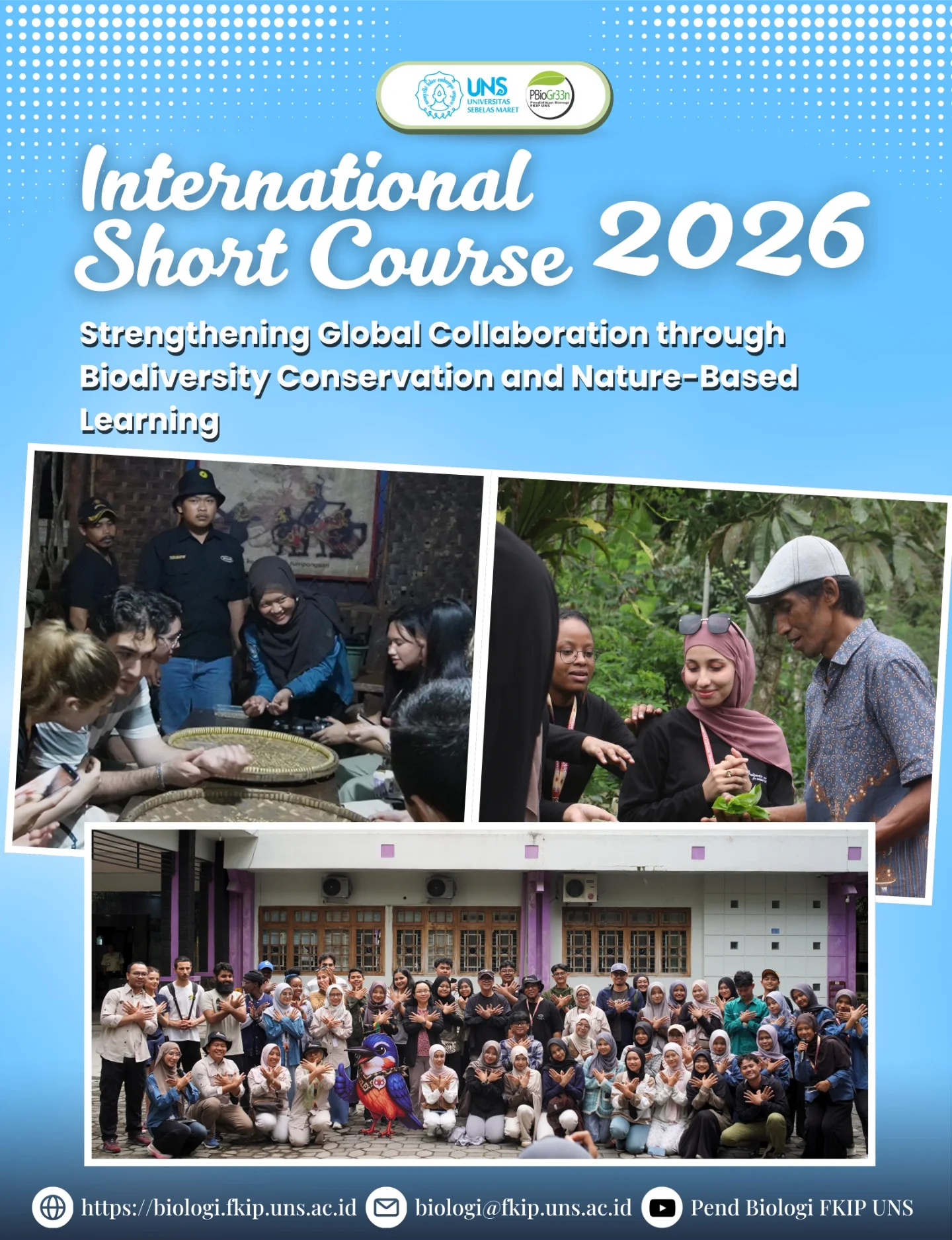
UNS Biology Education Program Hosts International Short Course 2026 on Biodiversity, Conservation, and Local Wisdom
Yogyakarta, Indonesia — May 17, 2026. The Biology Education Study Program, Faculty of Teacher Training and Education (FKIP), Universitas Sebelas Maret (UNS), successfully organized the International Short Course 2026 under the theme “Biodiversity Calls Us for Partnership to Conserve Nature: The Lens of Nature’s Beauty.” Held in Purwosari, Kulon Progo, Yogyakarta, from May 15–17, 2026, the program brought together local and international participants to explore biodiversity conservation through academic, cultural, and community-based perspectives.
The three-day program provided participants with an immersive learning experience that connected biodiversity, environmental conservation, local culture, and wildlife photography. Rather than focusing solely on theoretical knowledge, the short course encouraged participants to engage directly with the local environment and community while discovering how conservation can be integrated into everyday life.
The international participants came from universities across several countries, including Iloilo Science and Technology University, Philippines; Superior University Lahore, Pakistan; Universiti Kebangsaan Malaysia, Malaysia; and Marmara University, Türkiye. The program also welcomed participants from a number of Indonesian higher education institutions, including Universitas Sebelas Maret, Universitas Gadjah Mada, Universitas Tidar, Universitas Jember, Universitas Siliwangi, Universitas Muhammadiyah Lamongan, Universitas Mataram, and other institutions.
Exploring Biodiversity Through Local Perspectives
The program opened participants to the environmental and social context of Purwosari. Through the session “Environmental Context of the Short Course Location,” participants learned about the village’s environmental characteristics and local development from Sri Murtini, A.Md., Head of Purwosari Village.
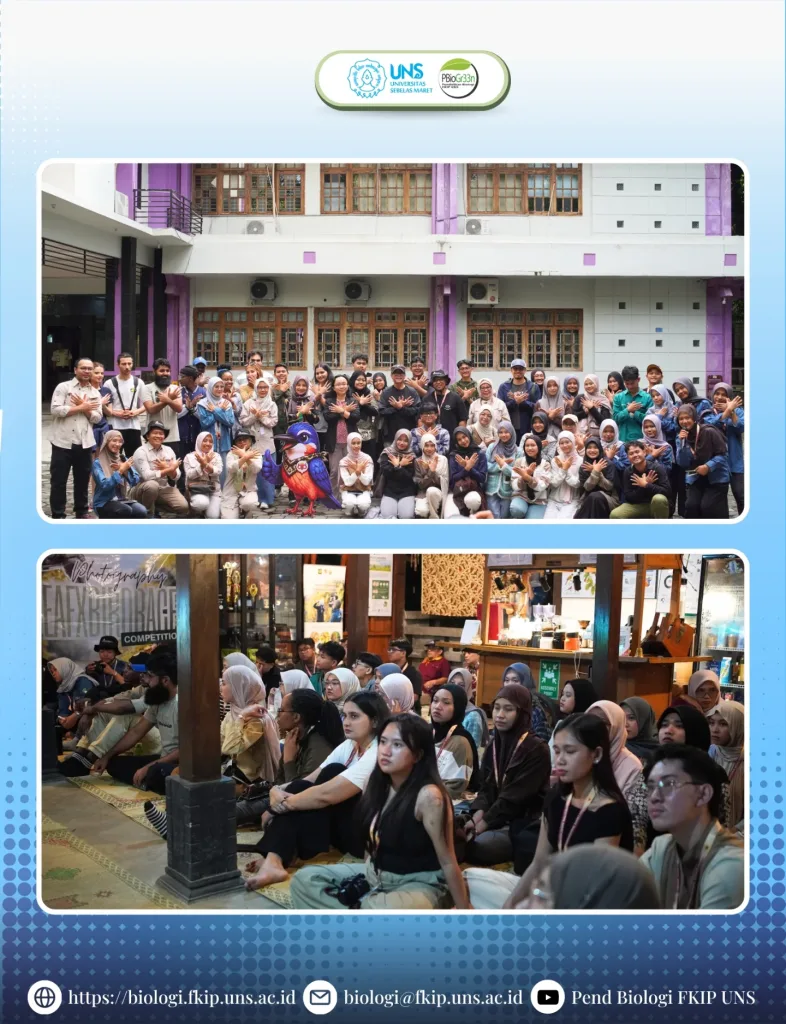
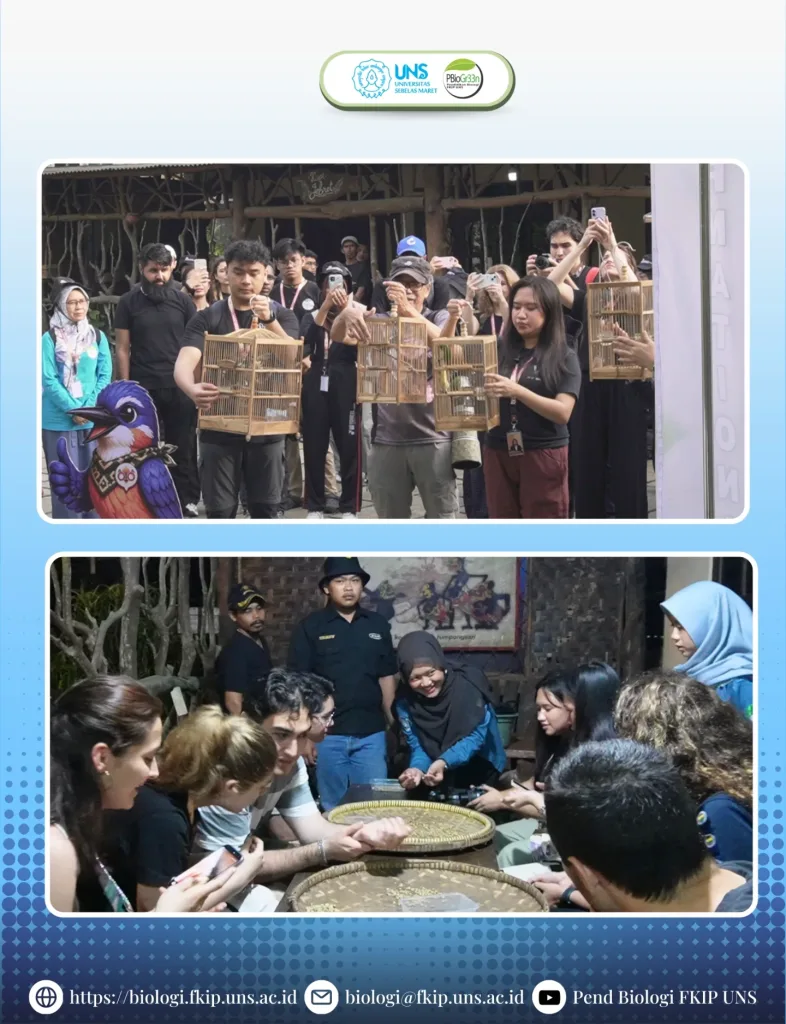
The participants then explored nature through the lens of photography in a Wildlife Photography Class led by renowned wildlife photographer Riza Marlon. The session introduced participants to wildlife photography as not only a creative medium, but also a means of observing, documenting, and communicating the beauty and importance of biodiversity.
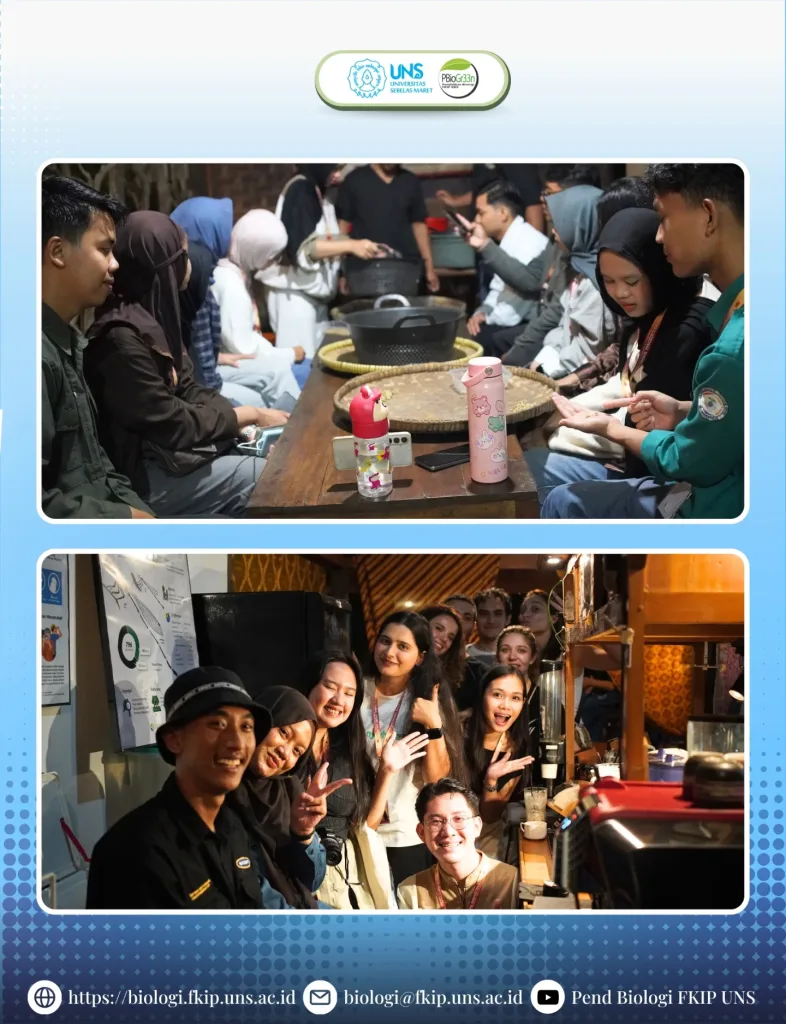
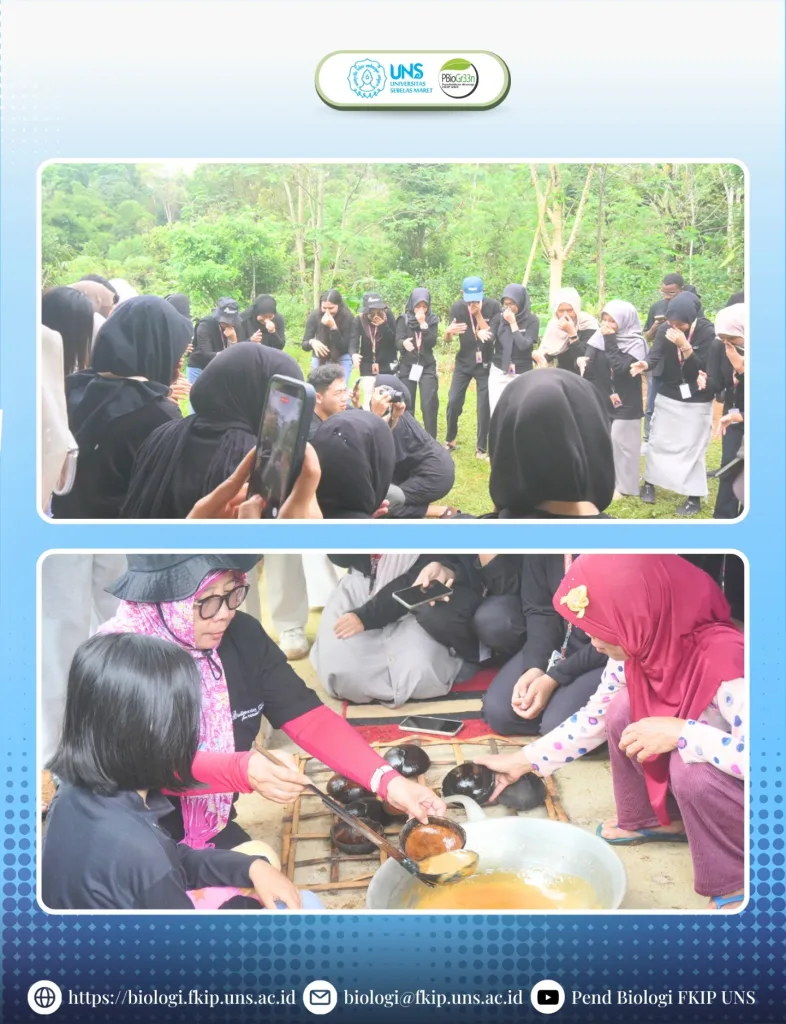
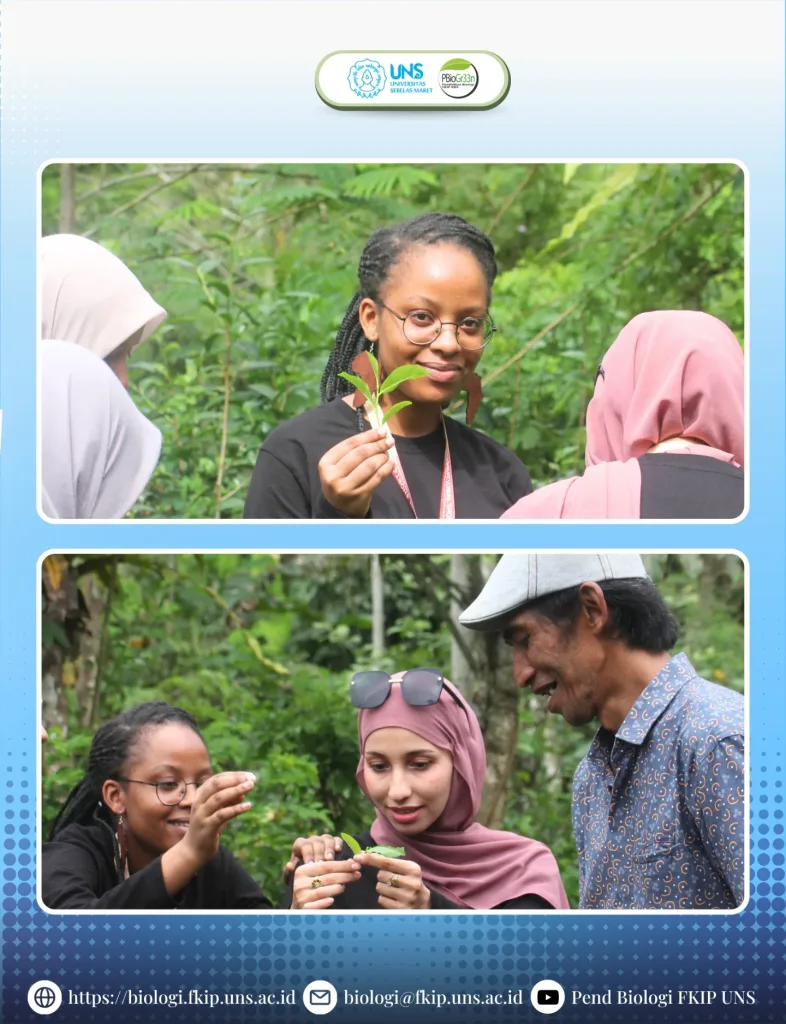
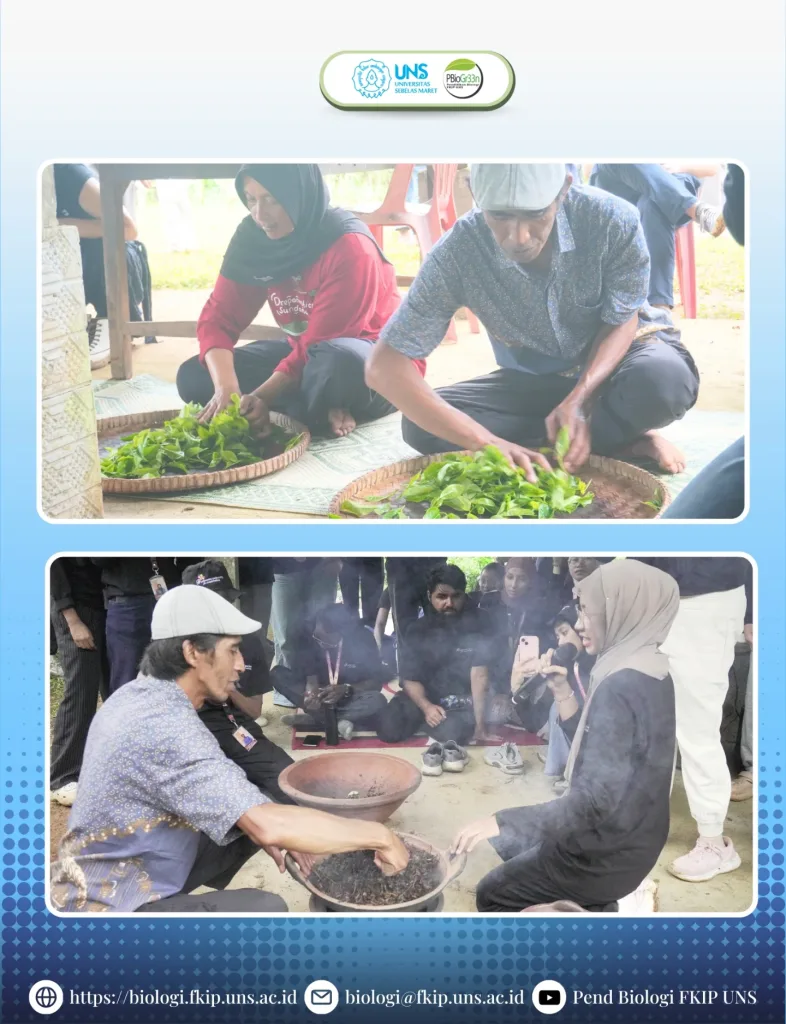
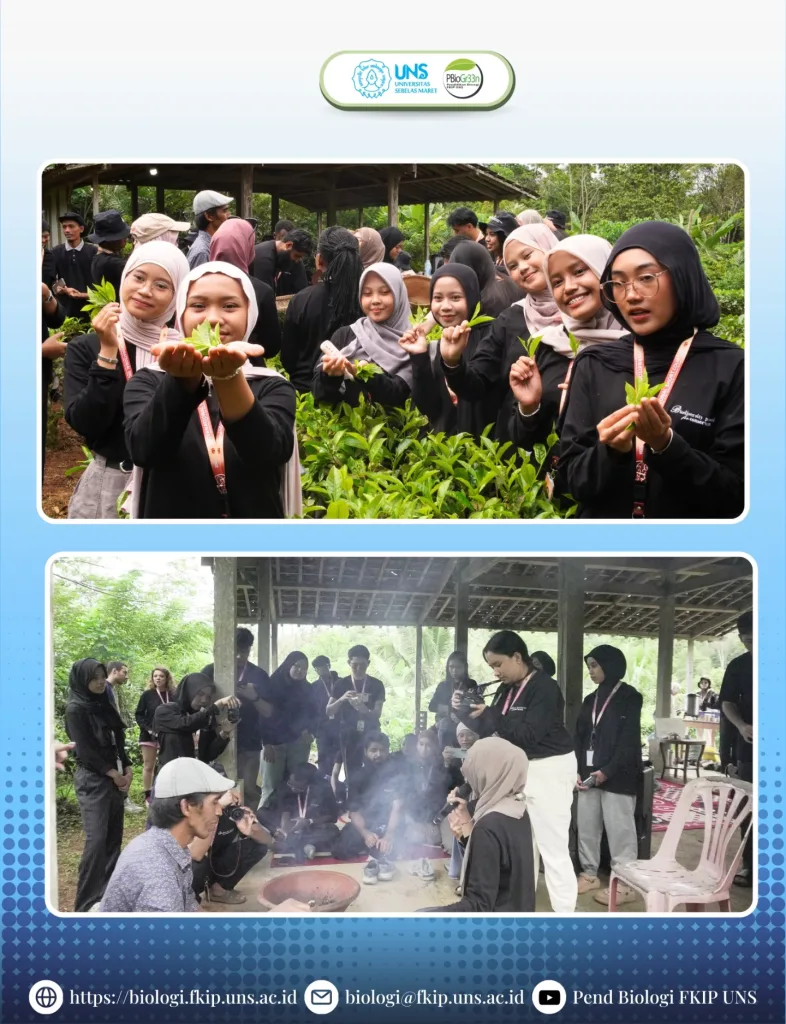
The short course also featured hands-on cultural and community-based activities. Through “Craft Your Cup: Barista in an Hour,” participants learned about coffee preparation with Tegar Cahaya Putra from the Lestari Purwosari Community. Meanwhile, the Palm Sugar and White Tea Processing Experience introduced participants to local knowledge and traditional practices through a direct interaction with the team of Oemah Teh Godril.
Academic perspectives on biodiversity and conservation were further strengthened through a Biodiversity & Conservation Discussion with Dr. Mohammad Saiful Bin Mansor from Universiti Kebangsaan Malaysia. The discussion provided an international academic perspective on biodiversity conservation while encouraging participants to reflect on the importance of collaboration in addressing environmental challenges.
Learning Through Community Engagement
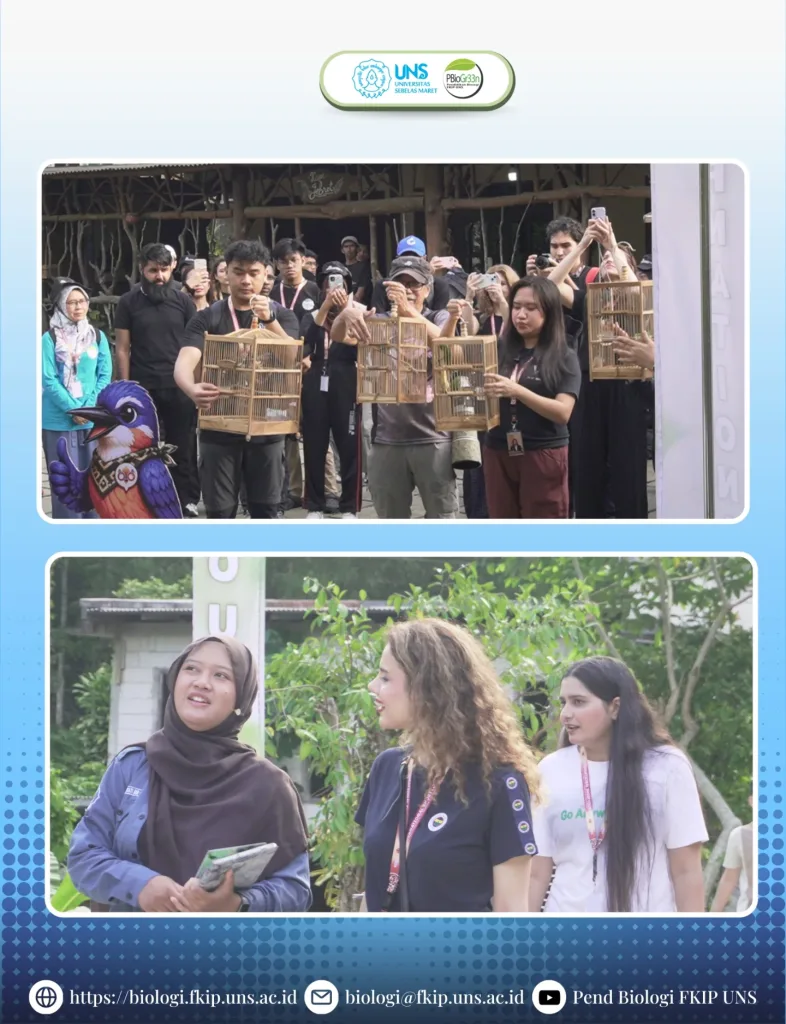
One of the highlights of the International Short Course was the live-in experience, during which participants stayed and interacted with local communities in Purwosari, accompanied by local residents and guides.
The experience allowed participants to gain a closer understanding of the relationship between the community, its cultural practices, and the surrounding environment. By engaging directly with local residents, participants experienced how environmental conservation can be strengthened through community participation and the preservation of local knowledge.
The International Short Course 2026 therefore served as more than an academic program. It became a platform for cross-cultural exchange, experiential learning, and international collaboration, connecting students and academics from different countries with local communities in Yogyakarta.
Strengthening International Collaboration for Conservation
Through a combination of classroom discussions, field-based activities, cultural experiences, and community engagement, the program highlighted the importance of building partnerships to conserve biodiversity.
The experience demonstrated that conservation is not only about protecting ecosystems and wildlife, but also about understanding the communities and cultures that live alongside them. By bringing together participants from different academic and cultural backgrounds, the program fostered a shared understanding that sustainable conservation requires collaboration across borders and disciplines.
The Biology Education Study Program, FKIP UNS, extends its appreciation to all participants, speakers, local partners, community members, guides, and organizing committee members who contributed to the success of the International Short Course 2026.
The program is expected to become a meaningful step toward strengthening future international partnerships and creating more opportunities for collaborative learning, research, and conservation initiatives.
Through biodiversity, culture, and collaboration, nature calls us to build partnerships for a more sustainable future.



Leave A Comment